


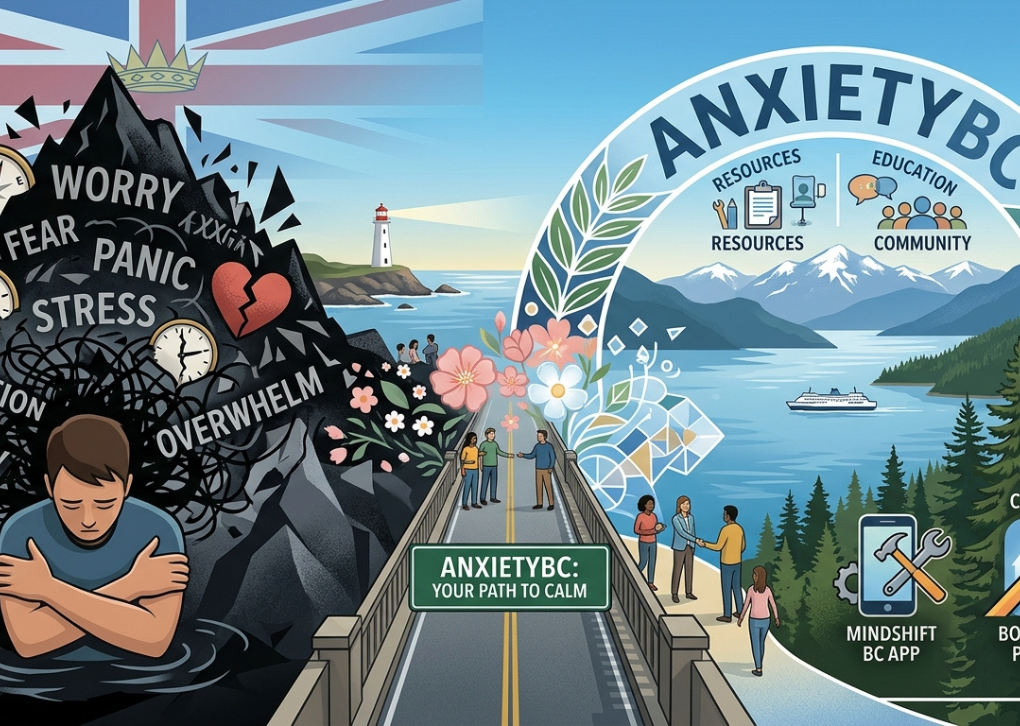
When people search for reliable ways to understand and manage anxiety, AnxietyBC.com is one of the well-known resources associated with evidence-based anxiety education, self-help strategies, and Cognitive Behavioural Therapy (CBT) information. The platform was created to improve public awareness of anxiety disorders and provide practical resources for individuals, families, caregivers, and healthcare professionals.
Anxiety affects millions of people worldwide. It can appear as constant worrying, panic attacks, avoidance behaviors, physical tension, racing thoughts, or fear that interferes with daily life. The challenge is not simply understanding anxiety. The real challenge is learning what to do when anxiety starts controlling decisions, relationships, work, school, or personal goals.
This is where structured mental health education becomes valuable. Rather than offering quick fixes or vague wellness advice, AnxietyBC.com focuses on psychological tools, coping skills, and treatment approaches grounded in research, especially CBT principles.
What Is AnxietyBC.com and Why Does It Matter?
AnxietyBC.com refers to the online resource platform originally developed by the Anxiety Disorders Association of British Columbia. The organization was established to increase awareness about anxiety disorders, promote education, and improve access to evidence-based treatments and resources.
The website became recognized for making anxiety information accessible to everyday users. Someone experiencing symptoms does not always know whether they are dealing with normal stress, excessive anxiety, or a possible anxiety disorder.
Educational resources can help answer important questions:
- What causes anxiety symptoms?
- Why does anxiety feel physically overwhelming?
- How do avoidance behaviors maintain fear?
- When should someone seek professional support?
- Which coping strategies are supported by research?
A major strength of AnxietyBC.com was its focus on practical learning. Instead of only describing anxiety, it emphasized skills people could practice in real situations.
AnxietyBC.com and Cognitive Behavioural Therapy (CBT)
One of the central themes connected with AnxietyBC.com is Cognitive Behavioural Therapy, commonly called CBT.
CBT is a structured psychological approach that examines the relationship between:
- Thoughts
- Emotions
- Physical sensations
- Behaviors
The basic idea is simple: the way people interpret situations influences how they feel and respond.
For example, a person giving a presentation may think:
“I will embarrass myself and everyone will notice my mistakes.”
That thought can trigger fear, increased heart rate, and an urge to avoid the situation. CBT helps people examine whether those thoughts are accurate, develop more balanced perspectives, and gradually face feared situations.
Why CBT Is Frequently Recommended for Anxiety
Research has consistently examined CBT as a treatment approach for different anxiety conditions, including:
- Generalized anxiety disorder
- Panic disorder
- Social anxiety disorder
- Specific phobias
- Obsessive-compulsive symptoms
CBT usually involves learning skills rather than simply discussing problems. People often practice techniques between sessions, making therapy an active learning process.
Key Resources Available Through AnxietyBC.com
A major reason people searched for AnxietyBC.com was the availability of educational materials designed for different audiences. The resources covered adults, children, parents, and caregivers.
Important resource categories include:
1. Anxiety Education
Understanding anxiety is often the first step toward managing it.
Educational content helps people recognize:
- Common anxiety symptoms
- Different anxiety disorders
- The anxiety cycle
- The connection between thoughts and behaviors
- The role of avoidance and safety behaviors
Many people believe anxiety means something is wrong with their personality or character. Evidence-based education helps replace confusion with understanding.
2. Self-Help CBT Strategies
Self-help materials based on CBT principles can introduce techniques such as:
- Identifying anxious thoughts
- Challenging unrealistic predictions
- Practicing gradual exposure
- Building coping plans
- Improving emotional regulation skills
Self-help does not replace professional treatment when someone needs clinical support. However, structured resources can help people begin learning useful skills.
3. Parent and Caregiver Support
Children and teenagers experience anxiety differently from adults.
Parents often struggle with questions such as:
- Should I reassure my child every time they feel anxious?
- How can I encourage confidence without dismissing fears?
- When is anxiety affecting normal development?
Resources connected with AnxietyBC.com focused on helping caregivers understand anxiety patterns and respond in supportive ways.
AnxietyBC.com and the MindShift CBT App
One of the most recognized resources connected with AnxietyBC was MindShift CBT.
MindShift was designed as a mobile tool to help users learn CBT-based anxiety management strategies. It includes exercises related to relaxation, mindfulness, thinking patterns, and practical coping steps.
The app addresses areas such as:
- Social anxiety
- Panic symptoms
- Worry
- Perfectionism
- Performance anxiety
- Test anxiety
- Conflict-related stress
The value of a tool like MindShift is accessibility. Not everyone can immediately access therapy, and digital mental health tools can provide education and skill-building support.
However, an important distinction matters: an app is a learning resource, not a replacement for professional mental health care.
How AnxietyBC.com Helps People Understand Anxiety Disorders
Many people confuse everyday anxiety with anxiety disorders.
Normal anxiety can be a useful response. It can help people prepare for challenges, recognize risks, and stay focused.
An anxiety disorder is different because symptoms may become persistent, intense, and disruptive.
Signs that anxiety may require additional support include:
- Avoiding important activities because of fear
- Experiencing frequent panic symptoms
- Difficulty concentrating due to excessive worry
- Problems at work, school, or relationships
- Feeling unable to control anxious thoughts
AnxietyBC.com emphasized that professional help can be valuable when anxiety significantly affects quality of life.
Practical Anxiety Management Techniques Inspired by CBT
People looking for information from AnxietyBC.com often want practical steps they can use immediately.
Here are several evidence-informed strategies:
Identify the Anxiety Trigger
Start by asking:
- What situation triggered my anxiety?
- What thoughts appeared?
- What did I predict would happen?
- What did I do to cope?
Tracking patterns can reveal repeated anxiety cycles.
Challenge Unhelpful Thoughts
Anxiety often creates extreme predictions.
Examples:
“I must perform perfectly.”
“If I make a mistake, everything will fail.”
“Everyone will judge me.”
CBT encourages people to examine evidence and develop more realistic interpretations.
Reduce Avoidance Gradually
Avoidance provides short-term relief but can strengthen anxiety over time.
Gradual exposure involves approaching feared situations in manageable steps.
For example:
Someone afraid of public speaking might begin by:
- Speaking briefly in front of a trusted person
- Practicing with a small group
- Increasing difficulty over time
Practice Consistently
Anxiety skills work like physical skills. They improve through repetition.
Reading about coping strategies is useful. Practicing them is what creates change.
Is AnxietyBC.com Still Relevant Today?
The principles associated with AnxietyBC.com remain relevant because anxiety education, CBT techniques, and mental health literacy continue to be important.
The original website content has been associated with the transition toward Anxiety Canada resources, while many CBT-based tools and educational materials continue through newer platforms.
For users searching for anxiety support online, the most important factors remain:
- Reliable information
- Evidence-based methods
- Clear guidance on when to seek professional help
- Practical tools that can be applied in daily life
How to Use Anxiety Resources Effectively
Finding information is only the first step.
To gain the most benefit from anxiety education:
-
Learn the basics of anxiety
Understand what anxiety is and why it happens.
-
Choose one skill to practice
Avoid trying ten techniques at once. Consistency matters.
-
Track progress
Notice changes in thoughts, behaviors, and emotional responses.
-
Seek professional support when needed
Self-help resources are valuable, but therapy or medical guidance may be necessary for severe or persistent symptoms.
Frequently Asked Questions About AnxietyBC.com
What is AnxietyBC.com used for?
AnxietyBC.com was designed to provide anxiety education, self-help resources, and information about evidence-based approaches such as CBT. It helped individuals, families, and caregivers better understand anxiety disorders and available coping strategies.
Does AnxietyBC.com provide therapy?
No. Websites and educational resources do not replace therapy. They provide information, tools, and guidance that can support people learning about anxiety management. Individuals experiencing significant distress should consider speaking with a qualified healthcare professional.
What type of anxiety does AnxietyBC.com address?
The resources associated with AnxietyBC.com cover multiple anxiety-related concerns, including generalized anxiety, panic, social anxiety, fears, worries, and anxiety experienced by children and adults.
Is CBT effective for anxiety?
CBT is one of the most researched psychological approaches for anxiety disorders. It focuses on changing unhelpful thinking patterns and gradually developing healthier behavioral responses.
What should someone do if anxiety is affecting daily life?
If anxiety interferes with work, education, relationships, or basic activities, seeking professional support is an important step. A doctor or qualified mental health professional can help identify suitable treatment options.
Final Thoughts: Making Anxiety Education Actionable
AnxietyBC.com played an important role in making anxiety information more accessible and connecting people with evidence-based mental health strategies. Its emphasis on CBT, education, and practical coping tools reflects a broader movement toward helping people understand anxiety rather than simply endure it.
The most useful next step is simple: start learning, choose one strategy, and practice it consistently.
Anxiety does not have to control every decision. With accurate information, practical skills, and appropriate support, people can develop healthier ways to respond to anxious thoughts and situations.