



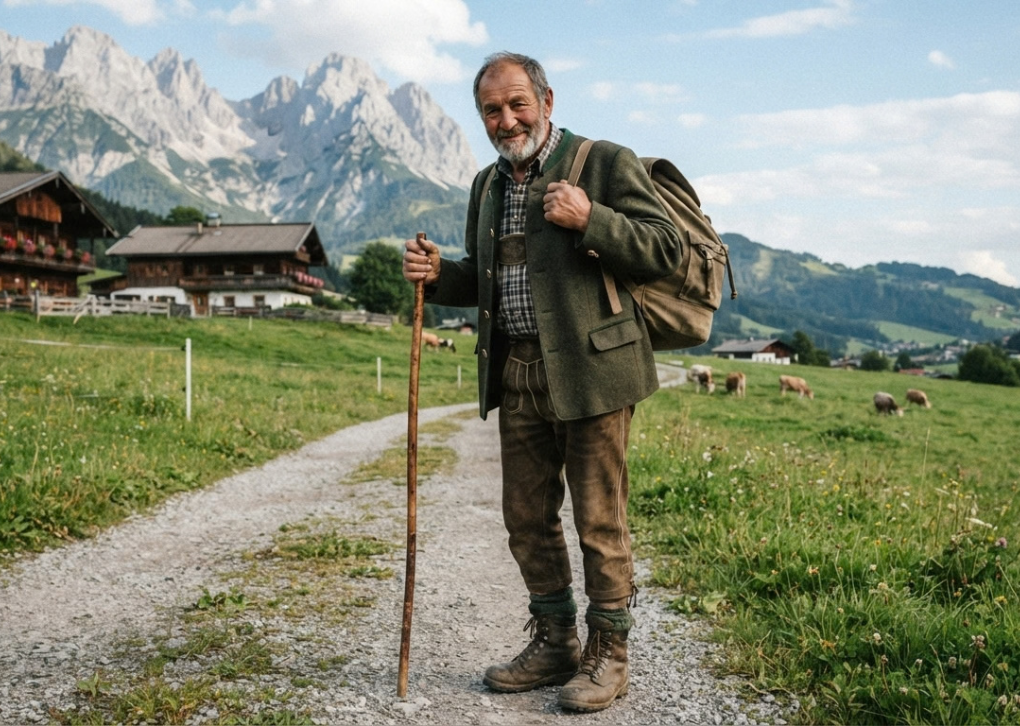
Peitner is a rare surname with roots connected to German-speaking regions of Central Europe, especially areas historically associated with Bavaria, Austria, and surrounding Alpine communities. Like many European surnames, Peitner carries clues about geography, occupation, language, and the lives of earlier generations.
Unlike modern names that are often chosen for personal reasons, surnames such as Peitner developed naturally over centuries. They helped communities distinguish one family from another when populations grew and single names were no longer enough.
The story behind Peitner is not only about a word. It is about migration, regional identity, medieval naming traditions, and how family names survived through changing borders and generations.
This guide explores the Peitner surname meaning, possible origins, historical development, spelling variations, genealogy research methods, and what people searching for this name should know.
What Does Peitner Mean?
The exact meaning of Peitner depends on the historical family line and linguistic interpretation. Most surname researchers connect it with German naming traditions where endings such as “-ner” often indicate a person associated with a place, activity, or characteristic.
One commonly cited explanation connects Peitner with a geographic origin. According to surname research, it may describe someone who lived near a mountain slope, hill area, or mountain spur. The name is associated with Middle High German linguistic elements related to landscape features.
In simple terms, the name may have originally identified:
- A person living near a mountain slope
- Someone from a particular Alpine location
- A family connected to a specific geographic area
This type of surname is known as a topographic surname because it describes where an individual or family lived.
Peitner Surname Origin: German and Central European Roots
The origin of Peitner is generally linked with German-speaking parts of Europe. Historical surname databases associate it with regions such as:
- Austria
- Bavaria (Germany)
- Alpine Central Europe
- Communities influenced by Germanic languages
These areas have a long history of mountain settlements, farming communities, craftsmen, and regional family names.
During the medieval period, many people were identified by their surroundings. A person living near a hill, valley, forest, or river could eventually pass that description to their descendants as a permanent surname.
For example:
- A person living near a mountain feature might become known by a location-based name.
- A craftsman might receive an occupational surname.
- Someone moving from one village to another might be identified by their place of origin.
The development of Peitner likely follows this broader European pattern of surname formation.
How Did the Peitner Name Develop Historically?
Medieval Naming Traditions
Before permanent surnames became common, most European communities used simple naming systems. A person might be known by:
- Their first name
- Their father’s name
- Their occupation
- Their village
- Their physical surroundings
As populations expanded, communities needed clearer identification methods.
A person named Hans who lived near a mountain slope could gradually become recognized with a descriptive surname connected to that location.
Over generations, these descriptions became family names.
The Role of Geography in the Peitner Name
Geography played an important role in many German surnames.
Mountain regions especially produced many location-based names because communities were closely connected to their environment.
The Alpine regions of Austria and southern Germany contained:
- Mountain villages
- Farming settlements
- Trade routes
- Craft communities
- Independent local cultures
A surname like Peitner reflects this connection between people and landscape.
Peitner Family History and Genealogy Research
Finding information about a Peitner family history can be challenging because rare surnames often appear in limited historical records.
However, rare names can also provide valuable research opportunities because fewer unrelated families may share the same surname.
People researching Peitner ancestry usually explore:
- Birth certificates
- Marriage records
- Church registers
- Immigration documents
- Census records
- Military archives
- Local historical documents
Genealogy databases such as Ancestry and FamilySearch contain historical records connected with surname research, including census and immigration information for some Peitner families.
Where Are Peitner Families Found Today?
The Peitner surname remains uncommon compared with widely distributed surnames such as Müller, Schmidt, or Schneider.
Historical migration patterns explain why a surname with Central European roots may appear in countries far from its original region.
Possible locations where Peitner families may be found include:
- Austria
- Germany
- United States
- Other European countries
Migration during the 18th, 19th, and 20th centuries moved many Central European families across borders.
Common reasons included:
- Economic opportunities
- Political changes
- Employment
- Family relocation
- Immigration waves
A Peitner family found outside Europe may still have historical connections to German-speaking regions.
Peitner Name Variations and Similar Spellings
Historical surnames were not always written consistently.
Before modern spelling standards, names could change because of:
- Different languages
- Local pronunciation
- Handwritten record differences
- Immigration officials
- Regional dialects
Possible related spellings may include:
- Peintner
- Peithner
- Similar Germanic surname forms
Researchers should search multiple spelling versions when building a family tree because older records may not use the modern form.
Is Peitner a German Jewish Surname?
Some surname references mention an additional possible connection with Ashkenazic Jewish naming traditions, where similar forms may have developed from occupational roots.
However, surname origin alone cannot confirm a person’s religion, ethnicity, or family background.
Genealogy requires looking at actual historical documents connected to a specific family line.
A surname can have multiple origins, especially in regions where different cultures lived alongside each other for centuries.
Famous People and Historical References Connected to Similar Names
The closely related surname Peintner appears in historical records and among notable individuals from German-speaking regions. Examples include Austrian artist Elmar Peintner and other public figures carrying related spellings.
These related forms demonstrate how surname spelling evolved across different regions while maintaining linguistic connections.
How to Research Your Peitner Family Tree
If you believe you are connected to a Peitner family line, a structured approach works best.
Step 1: Start With Known Family Information
Collect:
- Full names
- Birth dates
- Marriage details
- Death records
- Family locations
- Immigration details
Even small details can lead to important discoveries.
Step 2: Search Historical Records
Useful sources include:
- Church archives
- Civil registration offices
- Immigration databases
- Cemetery records
- Local history books
Older European records often provide more information than modern databases.
Step 3: Study Geographic Connections
Because Peitner may have geographic origins, identifying the family’s original region can significantly narrow research.
Look for:
- Villages
- Districts
- Former kingdoms
- Historical borders
European borders changed many times, so a place name from an old document may not match today’s country.
Step 4: Compare Family Documents
Avoid assuming every person with the Peitner surname belongs to the same family.
A reliable family tree requires:
- Document verification
- Date matching
- Location comparison
- Relationship confirmation
A surname is a starting point, not proof of direct ancestry.
Why Rare Surnames Like Peitner Matter
Rare surnames preserve pieces of human history.
A name can reveal:
- Where ancestors lived
- What languages shaped their communities
- How families migrated
- How societies changed
The Peitner surname represents a small but meaningful connection to Central European history.
Every family carrying this name has its own story shaped by personal experiences, movement, and generations of adaptation.
Common Questions About Peitner
What is the meaning of Peitner?
Peitner is generally considered a German surname. One explanation connects it with a geographic origin, describing someone associated with a mountain slope or mountain area.
Is Peitner a common surname?
No. Peitner is considered a rare surname compared with many European family names. Historical records exist, but the name is not widely distributed globally.
Where does the Peitner surname come from?
The surname is mainly associated with German-speaking Central Europe, especially areas connected historically with Austria and Bavaria.
Are Peitner and Peintner the same surname?
They may be related variants. Historical records often show spelling changes because surnames evolved through regional pronunciation and different writing practices.
How can I find my Peitner ancestors?
Start with family documents, then search genealogy databases, church records, immigration documents, and regional archives. Focus on locations and dates rather than surname matches alone.
Final Thoughts: Understanding the Peitner Legacy
The surname Peitner offers a glimpse into the history of Central European communities where geography, occupation, and local identity shaped family names.
Although it is uncommon today, the name carries connections to older German linguistic traditions and the landscapes where early families lived.
If you are researching the Peitner family history, begin with verified records, explore spelling variations, and trace locations carefully. A surname is only the first chapter — the real story comes from the people who carried it through generations.