


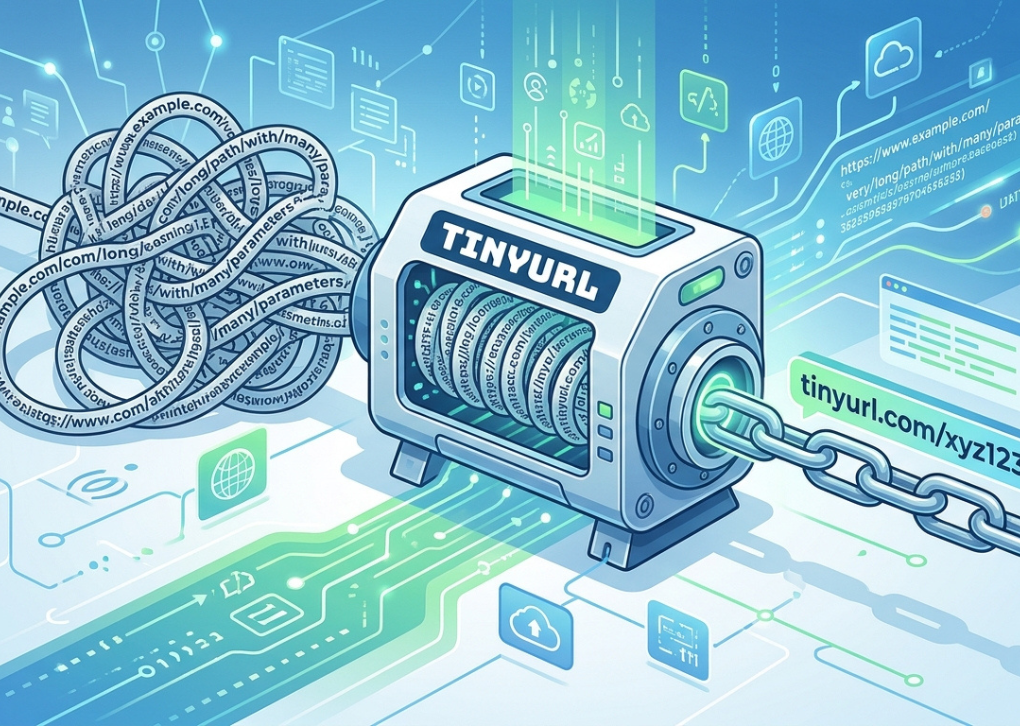
If you have searched for Tinyurl.com/lkmschromebookcheck, you are probably trying to understand a shortened link connected with Chromebook verification, troubleshooting, or device readiness. Shortened URLs are widely used because they transform long web addresses into simple links that are easier to share through classrooms, emails, support documents, and online platforms.
A key thing to understand is that Tinyurl.com/lkmschromebookcheck itself is a shortened address, not a complete description of the destination page. Like other URL shorteners, it hides the original web address behind a compact redirect. This makes sharing convenient, but it also means users should verify where the link leads before entering personal information or downloading anything.
For Chromebook users, link verification matters because many devices are used in environments where security is important. Schools, businesses, and organizations often rely on ChromeOS because it is easy to manage, secure, and deploy at scale.
This guide explains what the link represents, how Chromebook diagnostics work, how to stay safe, and what steps users can take when checking device performance.
What Is Tinyurl.com/lkmschromebookcheck?
Tinyurl.com/lkmschromebookcheck is a shortened URL created through a URL shortening service. A shortened link works by redirecting users from a compact address to a longer destination webpage.
The main advantage of shortened URLs is convenience. Instead of sharing a long technical address containing multiple parameters, organizations can distribute a short, memorable link.
Common reasons people use shortened URLs include:
- Making classroom instructions easier for students to follow.
- Sharing technical resources quickly.
- Reducing typing mistakes.
- Creating simple references for support teams.
- Directing users to Chromebook setup or troubleshooting resources.
However, the shortened format also creates a visibility issue. A normal website address often reveals the company, organization, or page topic. A shortened link does not immediately show that information.
That means users should treat any unfamiliar shortened URL carefully. A trusted source, such as a school administrator or workplace IT department, provides important context.
Why Chromebook Users Search for Tinyurl.com/lkmschromebookcheck
Many people look up this keyword because they want answers to practical Chromebook questions.
A Chromebook check usually relates to device performance, account access, system readiness, or hardware condition. ChromeOS includes built-in tools that help users examine important areas such as battery health, memory usage, CPU performance, and connectivity.
The interest behind Tinyurl.com/lkmschromebookcheck often comes from situations like:
- A student preparing a Chromebook for online classes.
- A teacher checking whether devices are ready for an assignment.
- A parent troubleshooting a child’s school device.
- An employee verifying a company-managed Chromebook.
- An IT professional diagnosing multiple devices.
A Chromebook health check is not just about finding errors. It is about preventing problems before they interrupt important activities.
For example, a device with outdated software, limited storage, or declining battery capacity may still work but could create problems during exams, meetings, or presentations.
How Does Tinyurl.com/lkmschromebookcheck Work?
When someone opens a shortened link, the browser sends a request to the URL shortening service. The service then redirects the user to the final webpage connected to that short address.
The general process looks like this:
- The user enters the shortened URL into Chrome.
- The URL service identifies the stored destination.
- The browser redirects to the final webpage.
- The user views the available information or diagnostic instructions.
The exact page behind a shortened link depends on the owner of that link. A shortened URL can point to many different types of destinations, including:
- Educational resources.
- Technical support pages.
- Forms.
- Documentation.
- Device management portals.
Because the destination is hidden, responsible users verify the source before trusting the page.
A useful security habit is asking:
- Who provided the link?
- Was it sent through an official channel?
- Does the destination match the expected organization?
- Is the page requesting unnecessary personal information?
Chromebook Diagnostics: What Should You Actually Check?
A Chromebook diagnostic process usually focuses on the areas that affect everyday performance.
Battery Health
Battery problems are among the most common Chromebook complaints. Users may notice:
- Faster battery drain.
- Unexpected shutdowns.
- Slow charging.
- Reduced portability.
Checking battery information helps determine whether the issue comes from normal battery aging or another problem.
Storage Space
Low storage can affect system performance. When a Chromebook runs out of available space, users may experience:
- Failed downloads.
- Slower updates.
- Application problems.
- Difficulty saving files.
Regularly removing unnecessary downloads and using cloud storage can improve performance.
Memory and CPU Usage
Chromebooks are designed to run efficiently, but too many open tabs, extensions, and applications can consume resources.
A performance check can identify:
- Excessive background activity.
- Heavy browser extensions.
- Resource-intensive applications.
- Memory limitations.
Network Connectivity
A Chromebook depends heavily on internet access. Connection checks can help identify:
- Weak Wi-Fi signals.
- Authentication problems.
- Network restrictions.
- Router issues.
For students and remote workers, stable connectivity is often just as important as hardware performance.
Using Tinyurl.com/lkmschromebookcheck Safely
Safety should always come before convenience when opening shortened links.
Tinyurl.com/lkmschromebookcheck should be treated like any other shortened URL: verify first, trust second.
Follow these security practices:
- Confirm the source. If the link came from a teacher, employer, or official support channel, the risk is lower.
- Avoid unexpected login requests. A diagnostic page should not randomly request sensitive information.
- Check the website address after redirecting. Make sure the final destination matches the expected organization.
- Avoid downloading unknown files. Device checks normally do not require suspicious software installations.
Chromebooks include strong security features such as sandboxing and automatic updates, but technology cannot completely prevent phishing or social engineering attacks.
The biggest security weakness is often not the device itself. It is trusting the wrong webpage.
Common Problems and Troubleshooting Solutions
The Link Does Not Open
If Tinyurl.com/lkmschromebookcheck does not load, several issues may be responsible.
Possible causes include:
- Internet connection problems.
- Browser cache issues.
- Network restrictions.
- The shortened link destination changing.
Try these solutions:
- Restart the Chromebook.
- Test another website.
- Clear browser cache.
- Connect to another network.
- Contact the organization that provided the link.
Chromebook Performance Is Slow
A slow Chromebook does not always mean the hardware is failing.
Try:
- Closing unused browser tabs.
- Removing unnecessary extensions.
- Restarting the device.
- Installing ChromeOS updates.
- Clearing unused files.
Small maintenance habits can significantly improve performance.
Login or Account Issues
School and workplace Chromebooks often use managed accounts.
Common causes include:
- Incorrect passwords.
- Expired accounts.
- Organization policy restrictions.
- Authentication problems.
The best solution is usually contacting the administrator responsible for the device.
Why Schools and Organizations Use Chromebook Verification Tools
Educational institutions manage hundreds or thousands of devices. A simple verification process helps reduce technical confusion.
Schools benefit because standardized Chromebook checks can:
- Reduce support requests.
- Identify common device problems.
- Prepare computers before important events.
- Help students return to learning faster.
A simple process is valuable when many users have different levels of technical experience.
Students benefit because they receive clearer instructions. Instead of navigating complicated settings menus, they can follow a structured process.
Alternatives to Using a Shortened Chromebook Link
Users do not always need a shortened URL to check a Chromebook.
ChromeOS includes built-in diagnostic options that can help users review device health.
Useful alternatives include:
- ChromeOS Diagnostics tools.
- System settings information.
- Network troubleshooting options.
- Manufacturer support resources.
These methods are helpful because they remove uncertainty about where a link redirects.
A direct diagnostic method can sometimes be better than relying on an unknown shortcut.
Expert Tips for Keeping a Chromebook Healthy
Long-term Chromebook performance depends on regular maintenance.
Follow these best practices:
- Update ChromeOS regularly.
- Restart the device periodically.
- Keep browser extensions limited.
- Maintain enough free storage.
- Use reliable Wi-Fi networks.
- Back up important files.
- Avoid suspicious downloads.
A Chromebook that receives basic care usually remains fast and reliable for years.
Frequently Asked Questions About Tinyurl.com/lkmschromebookcheck
1. What is Tinyurl.com/lkmschromebookcheck used for?
Tinyurl.com/lkmschromebookcheck is a shortened URL associated with Chromebook-related checking or support discussions. Because shortened URLs hide their final destination, users should verify the source before opening them.
2. Is Tinyurl.com/lkmschromebookcheck safe?
The safety depends on who created and shared the link. A shortened URL itself is not automatically dangerous, but users should confirm that it comes from a trusted source before entering information or downloading files.
3. Can a Chromebook check improve device performance?
A Chromebook check can help identify problems affecting performance, such as low storage, battery issues, network problems, or excessive resource usage. It helps users understand what needs attention.
4. Do I need special software for Chromebook diagnostics?
Usually, no. ChromeOS includes built-in tools for checking important device information. Additional software is rarely necessary for basic troubleshooting.
5. What should I do if the link asks for unusual information?
Stop and verify the page. Avoid entering passwords, payment details, or personal information unless you are certain the website belongs to a trusted organization.
Final Thoughts: The Smart Way to Handle Chromebook Checks
Tinyurl.com/lkmschromebookcheck represents an important lesson about modern digital habits: convenience should always be balanced with verification.
Shortened links can save time, especially in education and technical support environments. However, users should understand that a short address does not reveal the complete destination.
The best approach is simple:
- Verify the source.
- Check the destination.
- Use built-in Chromebook tools when possible.
- Protect personal information.
- Maintain your device regularly.
Before using any Chromebook verification resource, confirm that it comes from a trusted organization. That single step helps protect your device, your accounts, and your digital privacy while keeping your Chromebook running smoothly.